
Online gaming communities demand nuanced management to balance vibrant virtual interactions with real-life responsibilities. Key strategies include adapting to diverse genres, fostering inclusive environments, promoting positive communication, integrating education, and encouraging time management. By combining robust moderation, educational elements, and respectful guidelines, these communities can create harmonious spaces that blend entertainment with meaningful connections, enhancing digital literacy and contributing to broader social causes.
In the digital age, online gaming communities have become vibrant hubs where millions connect and compete. However, as these communities grow, balancing engagement, inclusivity, and healthy interactions presents a significant challenge. The problem of toxic behavior, harassment, and divide among players is a complex issue that threatens the very fabric of these game-based societies. This article provides an authoritative exploration of strategies to foster balanced online gaming communities. We delve into evidence-based approaches, best practices, and innovative solutions to create environments where every player feels valued, respected, and naturally integrated.
- Understanding Community Dynamics in Online Games
- Fostering Inclusivity: Welcoming New Players
- Setting Boundaries: Time Management Strategies
- Promoting Positive Interactions: Building a Supportive Culture
- Addressing Conflict and Toxicity in Gaming Communities
- Encouraging Balance: Integrating Gaming with Real-Life Responsibilities
Understanding Community Dynamics in Online Games

Balancing online gaming communities requires a deep understanding of their intricate dynamics, especially as these virtual spaces have evolved into vibrant hubs where players not only engage in game but also form meaningful connections. In the realm of online games, from career exploration simulations to science experiments virtual and digital storytelling platforms, community management is a delicate art. Each game fosters unique interactions, whether it’s collaborative problem-solving in an open-world adventure or competitive tournaments in multiplayer titles.
Effective community engagement involves recognizing these nuances and adapting strategies accordingly. For instance, in massively multiplayer online role-playing games (MMORPGs), players often form guilds, fostering camaraderie and structured gameplay. Modulators must facilitate these social structures while ensuring fairness and addressing potential conflicts. In contrast, mobile casual games might emphasize global leaderboards, creating a sense of competition that drives engagement but requires careful moderation to prevent toxic behavior.
Moreover, the evolution of gaming into an educational tool, as seen in career exploration games and science experiments virtual, introduces new layers of community dynamics. These platforms attract users with diverse backgrounds and learning objectives. Successful moderation involves fostering inclusive environments where knowledge sharing thrives. Digital storytelling games also present unique challenges; players collaborate to create narratives, necessitating moderation that encourages creativity while maintaining a respectful space for all contributors.
To master this balance, game developers and moderators should invest in understanding player behavior, preferences, and communication styles within the game’s context. This involves analyzing data on user interactions, feedback mechanisms, and community sentiment. By adopting a proactive approach, leveraging tools like social listening to track conversations, and encouraging open dialogue through in-game channels, they can create thriving communities that seamlessly blend entertainment and meaningful connections. For expert guidance tailored to your gaming needs, find us at test preparation techniques, where we help navigate the ever-evolving landscape of online interactions.
Fostering Inclusivity: Welcoming New Players

Creating an inclusive environment is paramount when aiming to balance online gaming communities. Welcoming new players is a critical aspect of fostering growth and longevity within these digital spaces. Historically, many games have been designed around rigid structures that can deter newcomers, especially in competitive or established communities. To counter this, game developers and moderators must implement strategies that encourage participation while respecting the needs and expectations of veteran players.
One effective approach is to integrate educational game theory into community building. Introducing project-based assignments or historical event simulations can seamlessly engage new players while providing a learning curve that aligns with experienced members’ expertise. These interactive elements not only enhance gameplay but also create opportunities for mentorship, where seasoned gamers can guide newcomers, fostering a collaborative atmosphere. For instance, in multiplayer role-playing games, tasking new players with research-based missions and sharing findings within the community encourages active participation and knowledge exchange.
Moreover, introducing optional, non-compulsory tutorials or mentoring programs can assist new participants without disrupting the flow of experienced gamers. These initiatives should be marketed as avenues for enhancement rather than mandatory paths. By embracing a diverse player base and tailoring experiences, online gaming communities can thrive, attract, and retain players across various skill levels. Consider reaching out to career exploration games experts, like those at [Career Exploration Games], for innovative strategies to enhance community engagement and inclusivity in your game naturally.
Setting Boundaries: Time Management Strategies

Balancing participation in online gaming communities with other aspects of life requires a structured approach to time management. Effective time management strategies are essential for maintaining healthy relationships, academic or professional pursuits, and overall well-being. For instance, a study by the Entertainment Software Association found that 67% of parents believe video games have a positive impact on their children’s lives, including enhanced problem-solving skills and improved social interaction. However, this benefit can be overshadowed if gaming becomes disruptive.
Setting boundaries is a cornerstone of achieving balance. Gamers should adopt interactive presentations and test preparation techniques to structure their time effectively. Interactive tutoring platforms can offer tailored guidance while teaching responsible gaming habits. For example, incorporating scheduled playtimes and designated “off” days into a weekly calendar ensures that gaming remains a hobby rather than a distraction. This approach allows for focused engagement during playtime and dedicated time for other responsibilities afterward.
Time tracking tools are invaluable in this process. Gamers can use apps or software to monitor the duration of gameplay sessions, identifying potential overengagement. By analyzing these insights, users can implement adjustments to their routines. For instance, reducing daily playtime by 30 minutes each day can lead to significant changes over a month, freeing up time for other activities and promoting a more balanced lifestyle. Remember that balance is not about eliminating gaming but integrating it naturally into a well-rounded schedule.
In light of the above considerations, gamers should explore interactive presentations and tutoring methods that emphasize time management as a core subject. These resources, accessible through various platforms, offer practical test preparation techniques tailored to gaming communities. By integrating these strategies into their routines, players can ensure that their online interactions enrich rather than disrupt their lives, fostering a sustainable and enjoyable gaming experience. Find us at interactive presentations for more tools and insights designed to help you achieve this balance.
Promoting Positive Interactions: Building a Supportive Culture
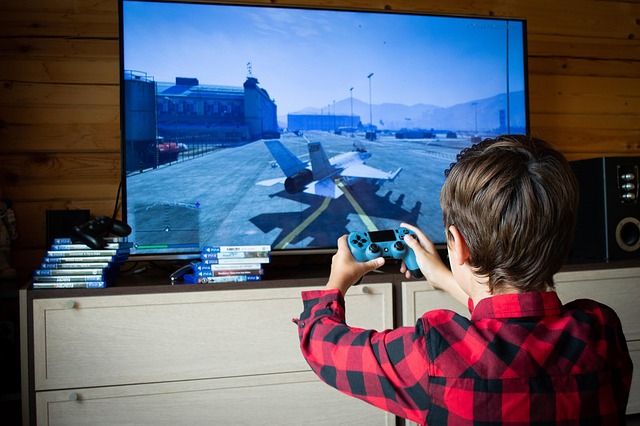
Promoting positive interactions within online gaming communities is an art that fosters a supportive culture, enriching the overall experience for all players. This involves cultivating an environment where respect, collaboration, and kindness thrive. One effective strategy is to encourage player engagement through interactive presentations, where in-game elements facilitate discussions and teamwork. For instance, implementing historical event simulations can transform gameplay into a learning opportunity, fostering empathy by allowing players to step into different roles and perspectives.
Game developers and moderators play a pivotal role in shaping these interactions. Adopting a proactive approach, they can establish clear guidelines and promote open communication channels. Regularly hosting community events, both within the game and on external platforms, creates opportunities for members to connect outside of gameplay. These activities can range from simple get-together sessions to more structured career exploration games, offering players diverse ways to engage.
Building a supportive culture requires consistent effort. Moderators should actively monitor discussions, intervene in toxic behavior, and recognize and reward positive contributions. Personalized feedback systems, tailored to individual players, can further enhance this process. By fostering a sense of community ownership, gamers are more likely to treat each other with respect and kindness, making the game a haven for all enthusiasts.
Find us at adapted learning paths that cater to diverse player preferences can significantly contribute to these positive interactions, ensuring everyone has a meaningful and enjoyable experience within the gaming community.
Addressing Conflict and Toxicity in Gaming Communities

Gaming communities have evolved into vibrant spaces where players from diverse backgrounds connect and share their passion for games. However, as these communities grow, so does the potential for conflicts and toxicity to arise. Addressing these issues is crucial to ensure a healthy and welcoming environment for all. One of the primary challenges is managing online interactions, especially in light of global economic scenarios that drive increased digital engagement. Virtual reality education offers unique insights into human behavior within these spaces, revealing strategies to foster positive dynamics.
Conflict and toxicity can stem from various sources, including competitive game mechanics, anonymous identities, and cultural differences. For instance, e-sports tournaments, while exciting, may intensify rivalries, leading to heated debates and even harassment. Additionally, the anonymity of online platforms can embolden individuals to engage in toxic behaviors, such as cyberbullying or racist remarks. These issues are further exacerbated by the lack of immediate consequences in virtual spaces, making it challenging for moderators to address them effectively.
To mitigate these problems, community leaders and developers must take proactive measures. One effective approach is implementing robust reporting systems and strict but fair moderation policies. Encouraging open dialogue and fostering a culture of respect can also help. For example, some games now incorporate social studies scenarios that teach players about the impact of their words and actions on others, promoting empathy and understanding. Additionally, leveraging data analytics to identify patterns of toxic behavior can enable prompt interventions. By adopting these strategies, gaming communities can evolve into thriving ecosystems where players from all walks of life can enjoy the game naturally, contributing to a positive global virtual reality education landscape while also fostering environmental conservation efforts through reduced energy consumption associated with online interactions.
Find us at social studies scenarios and beyond to delve deeper into these topics and explore innovative solutions for creating harmonious gaming environments, ensuring that these communities continue to thrive in an ever-changing digital world.
Encouraging Balance: Integrating Gaming with Real-Life Responsibilities
Maintaining balance within online gaming communities is an art that requires a delicate interplay between fostering vibrant virtual interactions and encouraging players to integrate gaming into their real-life responsibilities. This dual focus is essential for creating healthy, sustainable gaming environments that cater to diverse interests and life stages. By promoting responsible gaming habits, we can ensure that online spaces remain dynamic and inclusive while mitigating potential negative impacts on users’ overall well-being.
One effective strategy involves incorporating elements of information literacy training into the gaming experience itself. Equipping players with digital literacy skills enables them to navigate the vast sea of online content critically, ensuring they access reliable sources and engage in meaningful discussions. Moreover, integrating educational components like music theory tutorials within games can offer a unique twist, appealing to diverse learning styles and fostering a sense of accomplishment that extends beyond the virtual realm. These integrated approaches not only enhance gameplay but also promote personal growth by cultivating new skills and knowledge areas.
Level progression is another critical aspect in balancing online gaming communities. Games that implement structured level systems encourage players to set goals, track progress, and consistently engage with the community. However, it’s crucial to design these levels such that they do not become a hindrance to real-life commitments. For instance, allowing players to level up at their own pace, during downtime or leisure periods, ensures that gaming remains a complementary activity rather than a distraction from other responsibilities. By aligning game mechanics with real-world rhythms, developers can create an inclusive environment where diverse individuals can find a place to belong and contribute while maintaining a healthy work-life balance.
To facilitate this balance, it’s essential for both gamers and community moderators to embrace open communication. Encouraging players to share their experiences—the challenges they face in managing gaming time alongside other commitments, as well as the benefits they derive from doing so—can lead to valuable insights and strategies. Moreover, providing resources and support mechanisms, such as setting personal gaming limits or using apps that monitor gameplay time, can empower individuals to take control of their online habits. By adopting a holistic approach that considers both the social and individual aspects of gaming, we can create vibrant communities where game naturally exists in harmony with real-life responsibilities, fostering a sense of community that resonates long after the gameplay ends. For tailored guidance on implementing these strategies, don’t hesitate to give us a call at creative writing prompts—we’re here to help.
By examining community dynamics, fostering inclusivity, setting boundaries through time management, promoting positive interactions, addressing conflict, and encouraging a balanced approach, this article offers a comprehensive roadmap for cultivating vibrant and healthy online gaming communities. The key insights underscore the importance of creating an environment where players feel supported, respected, and empowered to integrate gaming naturally into their lives while fulfilling real-world responsibilities. Armed with these strategies, gamers and community leaders can build thriving game spaces that resonate long-term.