
Video game copyright protection combines traditional principles with unique design elements. Key insights include automatic protection, collaborative intellectual property agreements, complexities in education, modular design reuse, personalized learning, and proactive measures. Safeguarding IP is vital for developers, encouraging innovation through legal frameworks. Data-driven decision making is crucial for businesses to stay competitive; leveraging analytics and AI reveals trends, informs strategies, and provides a game advantage. Practical takeaways include investing in data infrastructure, cultivating a data-literate culture, and refining analytical capabilities.
In the dynamic realm of digital entertainment, the creative process behind video games demands intellectual property protection. Copyrighting a game is not merely a technicality but a vital strategy for safeguarding original designs, narratives, and artistic expressions. However, navigating this process can be perplexing for developers, especially with evolving legal landscapes. This article serves as your authoritative guide, demystifying the complexities and offering practical insights into ensuring your gaming masterpiece is legally secured. By the end, you’ll possess the knowledge to navigate copyright law effectively, fostering a secure environment for your game’s success.
- Understanding Copyright Basics for Games
- Protecting Your Game's Intellectual Property
- Enforcing and Maintaining Game Copyrights
Understanding Copyright Basics for Games
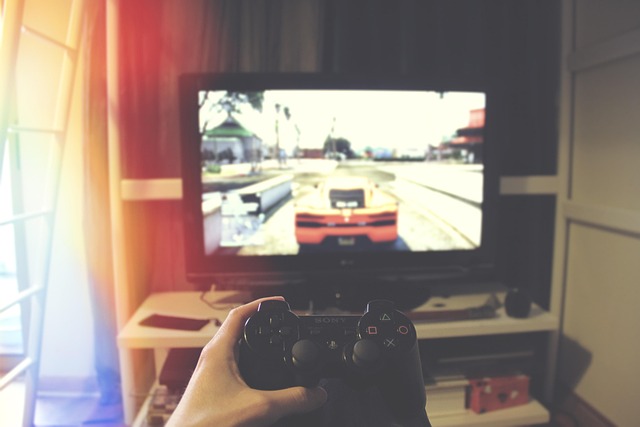
Copyright protection for video games is a complex area of law that requires understanding both traditional copyright principles and the unique aspects of game design. At its core, copyright safeguards original creative works by granting exclusive rights to their creators. In the context of games, this includes not just the code but also the art, music, and narrative elements that come together to create a distinctive gaming experience. A key aspect to grasp is that copyright arises automatically upon creation, meaning you don’t need to register your game with the U.S. Copyright Office (or similar bodies internationally) for protection.
Video games are distinct from other creative works due to their collaborative nature and complex development processes. Game design often involves teams of artists, programmers, writers, and sound designers working together to craft a unique experience. This collaboration necessitates clear intellectual property agreements to ensure everyone’s rights are protected. Furthermore, personalized education provided by modern games makes copyright considerations even more intricate. Customizable gameplay, adaptive learning systems, and player-generated content raise questions about ownership and fair use that extend beyond traditional media.
As the video game industry continues to evolve, understanding these copyright basics is essential for developers, designers, and educators alike. For instance, a game with modular design elements could face challenges regarding copyright infringement if similar features are reused in another project without proper attribution. Similarly, educational games that adapt to individual learning styles must consider how personalized experiences impact copyright ownership. Navigating these complexities can be facilitated by seeking legal counsel or consulting resources provided by industry associations. By staying informed and proactive, creators can safeguard their intellectual property while fostering innovation through collaborative gameplay and innovative game design.
Protecting Your Game's Intellectual Property

Protecting your video game’s intellectual property (IP) is a crucial step for any developer, ensuring your creative work remains yours and can thrive in a competitive market. Copyright plays a vital role in safeguarding your game design, characters, storylines, and unique gameplay mechanics from replication and unauthorized use. This protection is especially critical as the game industry faces sustainability challenges, with many indie developers battling against larger studios.
An educational game theory perspective highlights that IP rights encourage innovation and creativity by providing a legal framework for creators to protect their ideas. Copyright law offers a robust toolset to defend against copyright infringement, allowing you to take legal action against any unauthorized use of your game. This includes copying significant portions of your code, art assets, or even the overall game structure. For instance, consider a developer who creates a groundbreaking collaborative gameplay mechanic; protecting this innovation through copyright ensures no competitor can simply copy and paste their way to success.
As you navigate the complex landscape of game development, understanding your IP rights is essential. This involves registering your work with relevant copyright offices and utilizing trademarks for game titles and characters. Many successful developers also implement non-disclosure agreements (NDAs) when collaborating with partners or employees, further safeguarding their game’s unique elements. If concerns arise regarding IP infringement, seeking legal counsel from experts like cyberbullying prevention specialists can provide valuable guidance tailored to your situation. Remember, proactive protection is key; ensuring your game’s intellectual property is secured allows you to focus on what matters most—creating a captivating and sustainable gaming experience.
Enforcing and Maintaining Game Copyrights

By understanding copyright basics for games, protecting your intellectual property, and enforcing your rights, you can safeguard your creative work within the dynamic landscape of video game development. This article has equipped you with crucial insights to navigate copyright law effectively, ensuring your game’s unique elements remain under your control. Moving forward, prioritize registering your game’s copyrights, documenting creation processes, and monitoring for potential infringements. These practical steps will help maintain the integrity of your work and allow you to focus on what truly matters: creating engaging and innovative games.