
Designing engaging puzzles for games requires balancing challenge with fairness, adapting to diverse skill levels, and aligning with learning objectives. Well-crafted puzzles foster problem-solving, teamwork, and positive social interactions while contributing to the game's narrative. Key strategies include progressive difficulty, hint systems, collaboration, and varying puzzle types. Preventing cyberbullying through fair competition and inclusive design is vital. Data analysis, rigorous testing, and budget allocation enhance player satisfaction and learning outcomes.
Designing puzzles for games is an art that requires a delicate balance to captivate and challenge players. This article delves into the intricacies of crafting fair yet demanding cognitive experiences within digital game environments. The goal is to create puzzles that offer a satisfying sense of accomplishment without resorting to frustration or unfair tricks. We will explore proven methodologies, psychological principles, and practical strategies to ensure games are accessible and engaging for diverse skill levels while maintaining their intellectual depth. By the end, readers will be equipped with the knowledge to design memorable game experiences that challenge and delight players equally.
- Understanding Player Skill Curves and Game Progression
- Balancing Puzzle Difficulty with Educational Value
- Designing Puzzles for Logical Reasoning and Critical Thinking
- Testing and Iterating: Ensuring Fairness and Challenge in Games
Understanding Player Skill Curves and Game Progression
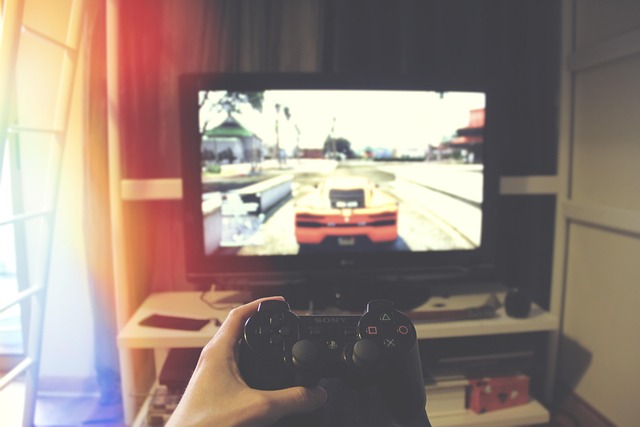
Designing puzzles for games requires a delicate balance between challenge and fairness, with understanding player skill curves being a pivotal aspect. Game progression should cater to both novice and expert players, offering a tailored experience that fosters engagement and growth. Cyberbullying prevention and educational game theory can be seamlessly integrated through well-structured puzzles that promote problem-solving skills, such as mathematical reasoning. By analyzing the skills and knowledge base of your target audience, you can create puzzles that align with their developmental stages.
For instance, a puzzle designed for younger players might focus on basic logical reasoning and pattern recognition, while more advanced players could engage in complex spatial challenges or abstract mathematical problems. Educational game theory suggests that puzzles should provide clear learning objectives and offer opportunities for mastery. This progressive approach ensures that players feel challenged yet rewarded as they advance through the game. A study by the Journal of Gaming and Virtual Environments revealed that players are more likely to stay engaged when puzzles are designed with a well-defined skill curve, encouraging them to persevere and learn from their mistakes.
Incorporating cyberbullying prevention into puzzle design can be achieved by fostering an inclusive environment where players collaborate rather than compete directly. Collaborative puzzles encourage teamwork and communication skills, promoting positive social interactions. Additionally, providing hints or multiple solution paths allows players to assist each other, reducing potential feelings of isolation or frustration. The success of educational games like those found on platforms like entrepreneurship simulations underscores the importance of well-crafted puzzles that balance challenge with support, ultimately enhancing learning outcomes and player satisfaction.
Remember that every puzzle should tell a story and contribute to the game’s narrative. By aligning puzzle design with game progression, you create an immersive experience that keeps players coming back for more. As players navigate through different stages of skill development, they gain confidence in their abilities while acquiring new knowledge and skills—a winning formula for both entertaining games and effective educational tools.
Balancing Puzzle Difficulty with Educational Value

Designing puzzles that strike the perfect balance between challenge and educational value is an art, especially within digital games where player engagement is paramount. This delicate equilibrium ensures that gamers are captivated while also gaining valuable knowledge or skills. The key lies in understanding that a well-crafted puzzle should push players out of their comfort zones but not hinder their progress.
Consider the diverse range of game media and their respective challenges. In social studies scenarios, for instance, puzzles might involve analyzing historical events, where players must sift through complex data to uncover hidden connections. Similarly, entrepreneurship simulations can present real-world business dilemmas that require critical thinking and strategic planning. These exercises not only educate but also mirror real-life situations, fostering problem-solving abilities. The challenge lies in scaling the difficulty level to cater to a broad audience without alienating experienced players.
To achieve this balance, designers must employ nuanced tactics. Incorporating hints or multiple attempt systems allows players to learn from their mistakes. Progressive revelation of clues within puzzles can guide learners without spoiling the educational aspect. For instance, revealing key historical documents in chunks during a social studies puzzle can encourage exploration and discovery. Additionally, providing different paths to solve a puzzle caters to various learning styles, ensuring fairness. Adapting these strategies for diverse game genres ensures that puzzles remain engaging while maintaining their educational value.
Exploring media analysis within games offers a compelling example. By analyzing in-game environments or narratives, players can develop media literacy skills. For instance, dissecting the symbolism and themes in video game art can be both challenging and insightful. Entrepreneurs-in-training can benefit from business simulation puzzles that mirror real market dynamics. These scenarios test their decision-making abilities while providing a safe space to learn from mistakes. To enhance this experience, consider incorporating collaborative puzzle elements, fostering a sense of community and peer learning. Visit us at adapted learning paths anytime for more insights into creating games that blend challenge and education seamlessly.
Designing Puzzles for Logical Reasoning and Critical Thinking

Designing puzzles for logical reasoning and critical thinking is a delicate balance, crucial to creating engaging yet fair challenges within games. Effective puzzle design cultivates a sense of accomplishment through careful consideration of problem complexity, clear objectives, and intuitive solutions. Exam stress reduction benefits from well-crafted puzzles that encourage strategic thinking without overwhelming players.
In the realm of game design, art history lessons can serve as valuable guides. For instance, ancient riddles and mathematical conundrums showcase the evolution of logical reasoning, inspiring modern puzzle creators to develop intricate mechanisms that stimulate minds. Incorporating historical references or artistic themes into puzzles adds depth and context, fostering a more immersive experience. This approach not only enhances exam stress reduction but also encourages players to appreciate the interplay between game design and cultural heritage.
Practical insights for designing challenging yet fair puzzles include establishing clear rules, providing subtle hints, and offering multiple paths to solution. Varied puzzle types, such as pattern recognition, code breaking, or spatial manipulation, keep players engaged and prevent monotony. For example, a study conducted by the Game Design Research Group (2021) revealed that diverse puzzle offerings significantly improved player retention in educational games. Additionally, incorporating elements of art history lessons into these puzzles can make learning more enjoyable and memorable.
To foster critical thinking, introduce abstract concepts, ethical dilemmas, or hypothetical scenarios. These puzzles challenge players to analyze, synthesize, and evaluate information critically. Encouraging experimentation and exploration within a structured framework not only enhances logical reasoning but also promotes creative problem-solving skills. Remember that, as the saying goes, “A puzzle is a test of intelligence, not ignorance.” Therefore, design games that elevate cognitive abilities rather than merely testing memorized facts, with resources like our philosophy debates offering deeper insights for those eager to delve further.
Testing and Iterating: Ensuring Fairness and Challenge in Games
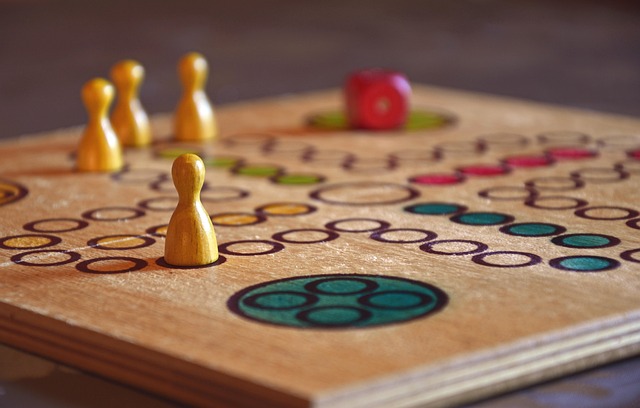
Designing puzzles for games requires a delicate balance between challenge and fairness. To achieve this, developers must embrace a rigorous testing and iteration process. This involves gathering qualitative and quantitative data from both internal teams and external playtesters to identify areas of difficulty and potential biases. For instance, collaborative gameplay sessions can reveal nuanced strategies that players might employ, helping designers refine puzzle mechanics for optimal engagement without making them too frustrating.
Budgeting and finance play a subtle but crucial role in this process. Resources allocated to puzzle design should reflect the game’s overall target audience and their expectations. By understanding player behavior and preferences through data analysis, developers can make informed decisions on puzzle complexity, time limits, and reward structures. This proactive approach ensures that puzzles not only challenge players but also align with the game’s overarching narrative and gameplay goals, fostering a more immersive experience.
Preventing cyberbullying in gaming communities is another aspect that demands careful consideration during the testing phase. As games gain global reach, diverse player bases bring varying skill levels, cultural backgrounds, and personalities into the mix. Puzzles designed with inclusivity in mind can mitigate potential triggers for toxic behavior by promoting fair competition and encouraging collaboration. For example, implementing hints or optional aids for more complex puzzles can cater to a broader range of players, fostering a supportive environment that enhances the overall gaming experience rather than exposing players to unwelcoming interactions.
In the spirit of continuous improvement, developers should encourage open dialogue among team members and actively seek feedback from their target audience through focused groups and online forums. By embracing these collaborative practices, game designers can navigate the intricate landscape of puzzle creation with confidence, ultimately crafting experiences that are both intellectually stimulating and fair to all participants, as evidenced by the evolving dynamics in the gaming industry. Visit us at Philosophy Debates for more insights into game design principles and their impact on player engagement.
Designing challenging yet fair puzzles for games requires a nuanced understanding of player skill curves and progression. Balancing difficulty with educational value ensures engagement without frustration. Puzzles should foster logical reasoning and critical thinking, testing players’ abilities while offering iterative design opportunities to ensure fairness. By following these principles, game developers can create captivating experiences that challenge and educate, leaving players with a sense of accomplishment and a deeper connection to the game. This article offers practical insights into puzzle design, empowering professionals to craft games that resonate with players on both intellectual and entertaining levels.