
Defining your niche within professional gaming is key to a successful career. Specialization allows experts to master unique challenges and adapt skills continuously. This involves recognizing your blend of interests and abilities, combining passion with market demand. Essential components include artistic perspective, mathematical prowess, job readiness skills, consistent practice, and online presence. Successful gamers leverage interactive technology, data-driven decisions, financial management, and education to stand out in the growing global esports industry. Transitioning requires strategic planning, entry through specialized programs, financial literacy, and creation of detailed budgets. Combining exceptional skill, strategic planning, and a willingness to learn is crucial for securing a professional gamer role.
In the rapidly evolving digital landscape, the profession of gaming has emerged as a legitimate career path, attracting millions worldwide. Building a successful career as a professional gamer requires more than just skill; it necessitates a strategic approach that intertwines talent, dedication, and business acumen. This article provides an in-depth exploration of the multifaceted process, guiding aspiring gamers to navigate the challenges, cultivate expertise, and thrive in this dynamic industry, naturally positioning them as valuable contributors within the gaming community.
- Define Your Niche in the Gaming World
- Hone Your Skills: Practice Makes Perfect
- Build a Strong Online Presence
- Explore Professional Opportunities and Land Your First Job
Define Your Niche in the Gaming World

Defining your niche within the dynamic world of professional gaming is a pivotal step towards carving out a successful career. This process involves not only identifying your strengths and passions but also understanding the diverse ecosystems that exist beyond the traditional eSports arena. Gamers often excel in specific genres or roles, such as competitive shooters, real-time strategy, or role-playing games, each offering unique challenges and opportunities for growth. By specializing in a niche, you can become an expert in simulated environments tailored to your skills, leveraging level progression and adapted learning paths to continuously enhance your abilities.
For instance, consider the vast landscape of gaming, where advancements in graphics and gameplay mechanics have created intricate virtual worlds. Professional players in these settings often possess profound knowledge of map layouts, character abilities, and strategic meta-games. They adapt their learning strategies based on the game’s progression, mastering new techniques as updates and patches introduce fresh challenges. This level of expertise can translate into lucrative careers as content creators, streamers, or even developers who design and refine these very games.
The key lies in recognizing your unique blend of interests and abilities. Some gamers thrive in fast-paced, highly competitive environments, while others find fulfillment in creative, strategy-driven games. Visiting us at STEM curriculum integration can offer insights into harnessing technology for both entertainment and professional growth. By combining your passion with market demand, you can establish yourself as a specialist, becoming a sought-after talent within your chosen niche. This focused approach not only increases your chances of success but also allows for deeper engagement with the gaming community.
Hone Your Skills: Practice Makes Perfect
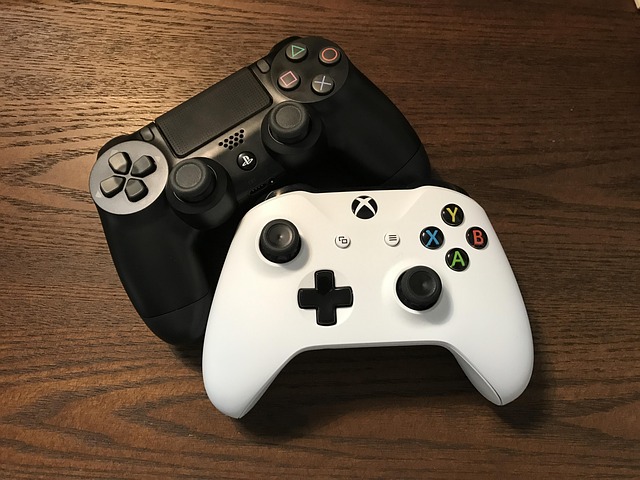
Building a career as a professional gamer requires more than just mastering controllers or keyboards; it demands a multifaceted approach to honing your skills, cultivating a growth mindset, and preparing for the unique challenges of this dynamic industry. While natural aptitude in games is a strong foundation, thinking of gaming as an art form rooted in centuries of play and competition can offer valuable perspective. Consider the strategic depth in chess, for instance, or the artistic expression found in dance video games—both are game genres that have produced professional champions. Drawing upon art history lessons can enhance your visual awareness, spatial recognition, and creative problem-solving skills, all of which translate into improved gaming performance.
Mathematical prowess is another key component to success. Game development and design heavily rely on complex algorithms, data analysis, and logical thinking. Strong math problem-solving abilities enable you to understand game mechanics, predict outcomes, and strategize more effectively during gameplay. Moreover, many professional esports teams seek athletes with quantifiable skills, such as advanced mathematics or computer science degrees, highlighting the intersection between academic knowledge and competitive gaming.
Beyond technical prowess, developing job readiness skills is essential for navigating the professional gamer landscape. Time management, effective communication, and adaptability are cornerstones of any successful career, and these competencies are no different in the gaming realm. Professional gamers often need to balance training schedules with school or other commitments, requiring robust organizational skills and time efficiency. Additionally, clear and concise communication is vital during team play, as well as for interacting with sponsors, fans, and media. Staying agile mentally and physically—adapting to new games, strategies, and team dynamics on short notice—is a hallmark of top-tier players.
To sharpen your skills, consistent practice is imperative. Just as an artist refines their craft through countless hours of painting or sculpting, gamers must dedicate substantial time to training. Visit us at science experiments virtual anytime for interactive simulations that can enhance hand-eye coordination and reaction times, two crucial elements in competitive gaming. Leveraging advanced training tools and participating in online tournaments not only hones your skills but also exposes you to a wide range of playstyles and strategies from fellow athletes around the globe. Remember, success in professional gaming isn’t merely about playing games; it’s about cultivating a mindset that embraces continuous learning and improvement.
Build a Strong Online Presence

Building a career as a professional gamer requires more than just skill behind the controller or keyboard. In today’s digital landscape, establishing a strong online presence is paramount to standing out in this competitive field. Gamers with a robust digital footprint can attract sponsors, secure lucrative tournaments, and even pivot into gaming-adjacent industries. This involves cultivating an engaging personal brand through various platforms such as YouTube, Twitch, Instagram, or TikTok, where content creation, interactive live streams, and consistent engagement with the community are key drivers.
Interactive presentations and virtual reality education have opened new avenues for gamers to connect with their audience on a deeper level. For instance, using VR to host immersive gaming tournaments or interactive Q&A sessions can significantly enhance fan interaction. Gamers should also strategically leverage social media analytics to understand their audience demographics, content preferences, and engagement metrics. This data-driven approach allows them to tailor their content, refine their brand messaging, and ultimately grow their online community.
Budgeting and finance are other critical aspects of building a sustainable career in gaming. Professional gamers need to manage income from tournament prizes, streaming subscriptions, and sponsorships effectively. Creating detailed financial plans, setting realistic goals, and exploring diverse revenue streams – such as merchandise sales or affiliate marketing – can ensure long-term stability. Additionally, utilizing interactive platforms for fundraising initiatives or participating in charity events not only supports worthy causes but also enhances the gamer’s public image and accessibility to a broader audience.
To enhance their career prospects, aspiring professional gamers should consider visiting us at Digital Research Skills anytime. Our platform offers valuable resources on content creation, social media strategy, financial planning, and emerging technologies like VR education. By combining expert guidance with practical tools, we empower gamers to navigate the dynamic landscape of competitive gaming, turn their passion into a thriving career, and leave their mark in this ever-evolving digital game.
Explore Professional Opportunities and Land Your First Job

Transitioning from casual gaming to a professional gamer career requires strategic planning and a deep understanding of the evolving landscape. As the global esports industry continues to grow, surpassing $1 billion in revenue annually, there are ample opportunities for skilled individuals to turn their passion into a lucrative profession. However, breaking into this competitive field demands more than just proficiency in game. It necessitates a multifaceted approach that integrates STEM curriculum principles, leverages motivational learning techniques, and cultivates financial literacy – all while navigating the unique challenges of this dynamic industry.
Professional gamers often find their entry points through specialized programs and tournaments that offer exposure and competitive experience. Many top esports organizations now partner with educational institutions to foster talent development through structured training programs. These initiatives not only hone gaming skills but also teach valuable lessons in teamwork, strategic thinking, and performance analysis – essential qualities for success as a professional gamer. For instance, consider the rise of STEM-focused curriculum integration within gaming academies, where players learn coding, 3D modeling, and data analysis alongside traditional gaming skills. This holistic approach positions them as well-rounded professionals capable of contributing beyond the game itself.
Building a successful career also requires adept budgeting and financial management. Gamers must understand the financial implications of their choices – from equipment investments to tournament entry fees and sponsorship deals. Developing financial literacy early on enables gamers to make informed decisions, negotiate contracts effectively, and manage their earnings responsibly. This is particularly crucial given the unpredictable nature of the industry. One effective strategy involves creating a detailed budget that accounts for gaming-related expenses and potential income streams. Interactive tutoring platforms can offer valuable guidance in this area, providing resources tailored to the unique financial challenges faced by aspiring professional gamers.
Ultimately, landing your first job as a professional gamer necessitates a combination of exceptional skill, strategic planning, and a willingness to learn and adapt. By embracing opportunities for STEM curriculum integration, leveraging motivational learning techniques, and cultivating sound financial habits, individuals can position themselves for success in this dynamic and competitive field. Remember that the path to becoming a professional gamer is as much about personal growth as it is about mastering the game.
By defining your niche within the vast gaming world, consistently honing your skills through relentless practice, and establishing a strong online presence, you position yourself for successful transitions into professional gaming. This article has provided clear insights on how to navigate this dynamic landscape, from identifying your unique strengths to exploring lucrative opportunities. Now armed with practical knowledge, gamers can take the next step towards turning their passion for games into a rewarding career by actively seeking out professional opportunities and demonstrating their mettle in competitive settings. Remember, the gaming industry is constantly evolving, but with dedication and strategic planning, you can thrive in this exciting “game” naturally.