
Levels are vital in games and educational platforms, offering structured pathways for progression aligned with motivational learning theories. They break complex tasks into manageable steps, enhance engagement, and facilitate skill acquisition. This approach makes abstract concepts more accessible and engaging, drives player interest over extended periods, and fosters a sense of accomplishment. Game developers can create compelling narratives, encourage experimentation, and tailor levels to different learning styles. Levels also support flow states, sustain engagement, and address sustainability challenges by promoting resource management and strategic thinking. Understanding the psychological impact of levels is crucial for designing engaging educational experiences that inspire across various fields, with future trends including dynamic level design, VR, and project-based assignments within game narratives.
Games have long captivated humans with their intricate worlds and structured progressions, represented naturally by levels. Yet, the purpose behind this fundamental design choice remains a subject of curiosity. This article delves into the strategic and psychological motivations behind game levels, explaining why they are not merely technical necessities but crucial elements that enhance immersion, encourage skill development, and foster player engagement. By exploring these aspects, we gain insights that can inform both game designers and enthusiasts alike.
- Understanding the Basic Role of Levels in Games
- Player Progression: How Levels Drive Engagement
- Game Design: Strategizing Level Structure for Learning
- The Psychological Impact of Leveling Systems
- Future Trends: Evolving Level Concepts in Gaming
Understanding the Basic Role of Levels in Games

Levels play a fundamental role in shaping the player’s experience within any game. They serve as structured units that guide players through a game’s narrative and mechanics, providing a clear sense of progression and accomplishment. The concept of levels is deeply intertwined with motivational learning theories, which suggest that breaking down complex tasks into manageable steps enhances engagement and fosters a sense of achievement. Each level presents new challenges, encouraging players to adapt, learn, and improve their skills.
In the context of career exploration games, levels can effectively mirror the stages of professional development. Players progress from novice to expert as they complete each level, gaining new abilities, knowledge, and insights into different careers. This gamified approach aligns with social studies scenarios, where students navigate historical events or contemporary issues, making complex topics more accessible and engaging. For instance, a game simulating economic growth could have levels dedicated to understanding basic principles, navigating market fluctuations, and eventually crafting strategies for sustained prosperity.
The structure of levels also allows developers to introduce variety and complexity in a controlled manner. Players can experiment with different approaches, learning from failures as they advance. This iterative process is not limited to video games; it’s evident in various educational platforms that incorporate progress bars or level systems. For example, Art History Lessons employs a level-based system to teach students about artistic movements, encouraging them to explore and deepen their understanding with each new level.
By incorporating levels, game developers can create compelling narratives, offer meaningful challenges, and provide a sense of achievement that keeps players engaged over extended periods. Understanding the role of levels is crucial for designing immersive experiences that resonate with players, whether in entertainment or educational contexts.
Player Progression: How Levels Drive Engagement
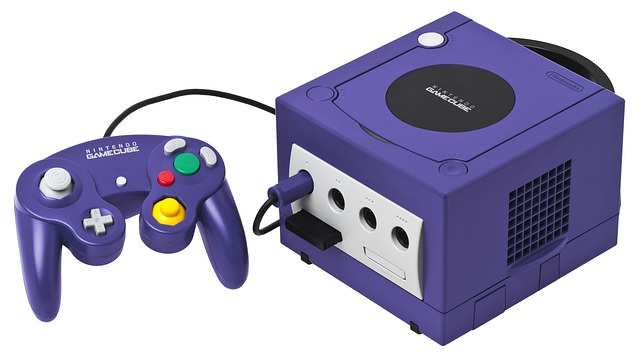
Games incorporate levels as a powerful tool to drive player engagement and progression. Leveling systems serve as a structured framework, allowing players to track their progress and experience growth. This incremental approach fosters a sense of achievement and motivates players to continue engaging with the game. Each level represents a new challenge, built upon previous learning, encouraging players to adapt, learn, and improve. This progressive design is akin to real-world skill acquisition, where mastery comes through sequential stages.
Player progression through levels offers more than just entertainment; it aligns with various learning style assessments and motivational theories. According to research, gamified environments can enhance knowledge retention and encourage deeper engagement compared to traditional teaching methods. For instance, a study by the University of California found that students who learned through project-based assignments in a game-like setting demonstrated higher levels of critical thinking and problem-solving skills. Integrating levels into educational games leverages this data-driven approach, making learning an enjoyable and compelling experience.
Furthermore, levels can be tailored to accommodate different learning styles. Visual learners can benefit from intricate level designs and vibrant graphics, while auditory learners might engage with in-game narratives and sound effects. By incorporating a variety of stimuli, developers cater to diverse preferences, ensuring that all players can assimilate information effectively. This personalized progression is key to keeping players motivated, as they can choose learning paths that resonate with their unique styles. To experience this for yourself, consider visiting us at digital storytelling, where you can explore how these principles are applied in innovative ways.
Levels also facilitate a sense of ownership and investment. Players become attached to their characters’ growth and are intrinsically motivated to unlock new abilities and conquer more difficult challenges. This emotional connection is crucial, as it keeps players coming back for more. Incorporating motivational learning strategies, such as rewarding progress with meaningful in-game achievements or virtual currency, further solidifies this commitment. By seamlessly integrating these elements, game developers create immersive experiences that captivate and retain players, ultimately fostering a deeper love for the medium.
Game Design: Strategizing Level Structure for Learning

Games incorporate levels as a fundamental design element to strategically structure learning experiences for players. Each level serves as a structured challenge, building upon the previous ones while introducing new concepts and complexities. This progressive approach leverages game mechanics to teach skills in a manner that feels both engaging and rewarding. For instance, in music theory tutorials, levels could represent different stages of musical composition, where each step builds on the last, ultimately guiding players towards crafting their own symphonies. Similarly, virtual reality education has shown promise in this regard, using immersive environments to create levels that teach spatial awareness or historical events through experiential learning.
The design process involves careful consideration of debate strategies for balancing difficulty and progression. Game developers must strike a delicate balance between challenging players enough to maintain interest and providing support to ensure success. This is particularly crucial in early levels where the goal is often to foster familiarity with game mechanics rather than mastery. As players ascend through levels, the complexity increases incrementally, encouraging them to apply learned skills in novel contexts. For example, in a strategy game, early levels might focus on basic resource management and unit deployment, gradually evolving into intricate warfare scenarios that demand strategic thinking and adaptation.
Effective level structure not only enhances learning outcomes but also fosters player engagement. Well-designed levels can keep players motivated by providing clear goals, offering meaningful rewards, and presenting just enough challenge to prevent boredom or frustration. By incorporating these design principles, developers create games that serve as powerful educational tools capable of teaching diverse subjects from mathematics to history, even music and virtual reality skills. To gain deeper insights into the art of level design, consider visiting us at collaborative gameplay for more expert-led discussions and practical advice.
The Psychological Impact of Leveling Systems

Game levels serve a profound psychological purpose, offering more than just progression indicators. They create structured challenges that tap into human motivation and cognitive development. The sense of accomplishment from completing each level acts as a positive reinforcement system, encouraging players to persevere through increasingly difficult tasks. This principle is evident in both commercial games and educational tools like career exploration games, where players can navigate virtual career paths, gaining experience and unlocking new opportunities much like they would in real-world scenarios.
The leveling system also facilitates flow states—a psychological state of complete absorption in an activity, characterized by focused attention and enhanced performance. Games meticulously design levels to maintain this state, presenting just enough challenge to keep players engaged but not so much as to induce frustration. This principle is showcased in media analysis exercises where students must deconstruct complex narratives, each level building upon their understanding, fostering a deeper appreciation for storytelling techniques.
Beyond entertainment and education, games can address sustainability challenges through leveling systems. Progressively introducing new mechanics or resources at each level encourages resource management and strategic thinking. For instance, historical event simulations that incorporate leveling mechanisms can teach players about environmental conservation or economic planning as they progress through different eras. This approach aligns with real-world problem-solving, where sustainable decision-making is often a gradual learning process.
In designing games or incorporating game elements into non-game contexts, understanding the psychological impact of levels is paramount. Developers should aim for well-balanced challenges that offer clear goals, immediate feedback, and a sense of accomplishment. By doing so, they can create engaging experiences that not only entertain but also educate and inspire, as evidenced by the growing integration of game mechanics in various fields from education to sustainability initiatives. Discover more about these principles at our historical event simulations, where we explore the power of games in shaping our future.
Future Trends: Evolving Level Concepts in Gaming

Games have traditionally structured their content into levels as a means of providing clear progression and learning arcs for players. This approach has proven effective in engaging users and fostering a sense of accomplishment. However, as the gaming landscape evolves, so too do our concepts of levels. The future of gaming will see a dynamic shift where level design becomes more intricate, incorporating innovative gamification strategies that blur the lines between virtual and real-world experiences.
One prominent trend is the integration of project-based assignments within game narratives. Players are no longer mere observers but active participants who must utilize in-game skills to solve complex problems, mirroring real-world applications. For example, a historical strategy game might challenge players to rebuild a lost civilization, requiring them to manage resources, make strategic decisions, and collaborate with other players or AI allies. This not only enhances gameplay immersion but also cultivates critical thinking and problem-solving skills.
As technology advances, virtual reality (VR) offers a prime opportunity to further revolutionize level concepts. Immersive VR environments can transport users into fantastical worlds where they must navigate intricate labyrinths or solve puzzles in zero gravity. Visiting us at virtual reality education anytime provides access to cutting-edge tools and insights shaping these future trends. By leveraging gamification strategies that tie real-world knowledge and skills to engaging, narrative-driven experiences, game developers can create truly transformative learning journeys for players of all ages.
Games incorporate levels to facilitate player progression and engagement, providing a structured learning path within the game experience. Levels serve as measurable milestones, rewarding players’ skills and encouraging continued play. Game designers strategically craft level structures to balance challenge and achievement, fostering a sense of accomplishment that keeps players invested. The psychological impact of leveling systems includes enhanced motivation and satisfaction, reinforcing positive feedback loops within the game. Looking ahead, future trends in gaming will continue to evolve level concepts, incorporating innovative approaches that adapt to individual player progress and preferences. By understanding these key insights, developers can create more compelling games that captivate and retain players naturally.