
Marketing a new game demands deep audience understanding. Utilize data analytics to segment players and tailor messaging. Craft compelling narratives and immersive worlds to stand out. Leverage social media, user-generated content, and teasers for buzz. Balance monetization with player value through strategic incentives. Post-launch engagement analytics guide improvements.
In the dynamic landscape of entertainment, successfully marketing a new video game is paramount to its success. With fierce competition from established franchises and ever-evolving consumer preferences, understanding effective marketing strategies is crucial for any aspiring game developer. This article provides an in-depth guide, offering proven tactics and insightful advice tailored to navigating the complex world of game promotion. By delving into key aspects such as building hype, engaging target audiences, leveraging social media, and fostering community, we aim to empower developers with the knowledge to launch their games with confidence and create a lasting impact in this competitive market.
- Understand Your Target Audience for Game Marketing
- Crafting a Compelling Game Story and Worldbuilding
- Utilizing Digital Platforms and Social Media Strategies
- Building Excitement Through Teasers and Trailers
- Effective In-Game Monetization and Purchase Decisions
- Measuring Success: Analytics and Post-Launch Engagement
Understand Your Target Audience for Game Marketing

Marketing a new video game requires a deep understanding of your target audience to craft effective strategies. In today’s competitive market, simply creating an engaging game is no longer sufficient; you must reach the right players who will resonate with your game’s unique value proposition. This involves segmenting your audience, studying their behaviors and preferences, and tailoring your marketing efforts accordingly. By learning from art history lessons and drawing parallels to real-world applications, developers can navigate sustainability challenges and create targeted campaigns that resonate with gamers.
One of the most effective ways to understand your target audience is through data analytics. Utilize in-game metrics to track player demographics, engagement patterns, and completion rates. This data provides valuable insights into which segments of players are most active and invested in your game. For instance, if your game appeals predominantly to young adults, tailoring marketing efforts towards social media platforms like Twitch or YouTube can maximize reach and engagement. Similarly, if data reveals a high dropout rate among older players, reevaluating gameplay mechanics or adding tutorial elements might be beneficial.
Critical thinking exercises should be at the core of your audience analysis. Consider how different player profiles interact with games and what motivates them to continue playing. For example, hardcore gamers may seek challenges and competitive elements, while casual players often prefer relaxing and social experiences. Incorporating these insights into your marketing messaging can help create a sense of community and belonging. Moreover, leveraging user-generated content, such as fan art or gameplay clips shared on social media, can provide authentic testimonials that appeal to prospective players, fostering a deeper connection between the game and its audience.
Crafting a Compelling Game Story and Worldbuilding

Crafting a compelling game story and worldbuilding is an art that transforms a simple concept into a captivating experience. In today’s competitive video game market, where players have countless options at their fingertips, a rich narrative and immersive universe can be a true differentiator. A well-crafted game world not only provides entertainment but also offers a platform for career exploration games, encouraging players to develop problem-solving techniques and digital literacy skills.
Successful game development involves weaving together intricate plots, memorable characters, and detailed environments that resonate with players. For instance, the award-winning “The Witcher 3” is celebrated not just for its polished gameplay but also for its deep lore and vast open world, which players can explore freely. This level of immersion encourages players to engage not only with the game’s main quest but also with numerous side quests and hidden stories within the game world. By integrating career exploration games within a compelling narrative, developers can offer players a sense of purpose and progression, making each gameplay session meaningful.
Worldbuilding is about creating a believable, cohesive universe that extends far beyond the game’s surface. This involves meticulous planning and attention to detail. For example, “Skyrim” seamlessly blends fantasy elements with a diverse range of quests and locations, fostering a strong sense of exploration. Developers should consider leveraging digital tools and platforms to streamline the worldbuilding process while ensuring the game remains engaging. By combining rich narratives with intricate problem-solving elements, games can become powerful mediums for enhancing digital literacy skills among players.
To bring your game story and world to life, consider collaborating with diverse teams, including writers, artists, and designers. Regular playtesting and feedback sessions are crucial to refining the game experience. If you’re looking for expert guidance, consider giving us a call at literary analysis activities—we can provide tailored advice to elevate your game’s narrative and worldbuilding efforts. By focusing on these aspects, developers can create games that not only entertain but also leave a lasting impression, setting new industry standards.
Utilizing Digital Platforms and Social Media Strategies
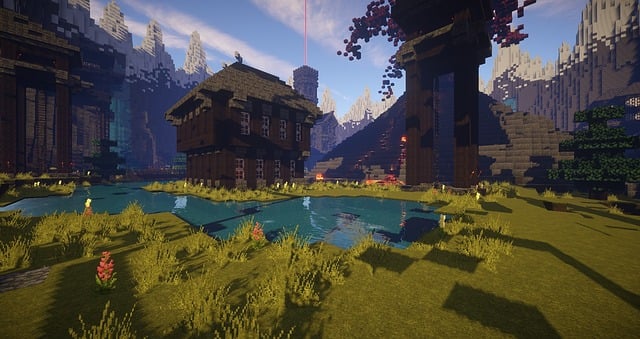
Marketing a new video game requires a strategic approach that leverages the power of digital platforms and social media. In today’s digital age, these channels offer immense opportunities to engage with your target audience and build anticipation for your game. One effective strategy is to create a buzz through content creation, such as trailers and gameplay videos, which can be shared across various platforms like YouTube, Twitch, and Instagram. These visual elements not only showcase the game’s aesthetics but also provide problem-solving techniques that keep potential players engaged and excited.
Social media platforms are ideal for fostering community building and fan interaction. Regular updates, behind-the-scenes insights, and developer diaries can create a sense of belonging among your audience. For instance, sharing development milestones on Twitter or Facebook can generate enthusiasm and gather feedback from early adopters. Additionally, leveraging influencer marketing by collaborating with popular gamers or content creators can significantly expand your reach, as their endorsements carry weight in the gaming community.
Another powerful tool is data analysis to understand user behavior and preferences. By studying player engagement metrics on digital platforms, you can refine your marketing strategies and tailor content that improves study habits related to games. For example, using analytics to identify peak gameplay times or popular content formats allows for more targeted campaigns. Moreover, integrating critical thinking exercises within game features or promotional events can enhance player satisfaction while also reinforcing cognitive skills.
To maximize the impact of your digital marketing efforts, consider incorporating user-generated content and interactive challenges. Running contests where players share their gaming experiences or create fan art not only generates organic promotion but also strengthens your brand’s connection with the community. As an example, game developers have successfully engaged their audiences through in-game events that encourage collaboration and problem-solving, fostering a sense of ownership within the player base. If you’re looking for specialized assistance, give us a call at Language Learning Games to discuss how our expertise can further enhance your marketing strategies.
Building Excitement Through Teasers and Trailers

Building anticipation for a new video game release is an art, and one of the most effective tools in your marketing arsenal is the teaser and trailer. These strategic elements can transform a mere game into a highly anticipated cultural phenomenon. A well-crafted teaser or trailer not only showcases gameplay but also ignites debate strategies among players, creating a buzz that builds excitement for months.
Consider the power of visual storytelling. Trailers, in particular, have become cinematic experiences in their own right, often featuring stunning visuals and captivating music theory tutorials that leave viewers wanting more. The science behind effective trailers involves understanding audience psychology; you aim to pique curiosity while providing just enough information to fuel anticipation. For instance, revealing key gameplay mechanics or a compelling narrative arc can create a sense of mystery, encouraging players to engage actively in discussions about potential outcomes.
Some developers opt for a series of teasers leading up to the trailer launch, each building upon the last. This strategy keeps the audience invested and engaged over an extended period. Others prefer to drop a surprise trailer, utilizing shock value and unique concepts to capture attention. Regardless of the approach, the goal is to foster a sense of community and excitement around the game. By the time the official release date arrives, your marketing efforts will have cultivated a dedicated player base eager to dive into the gaming world you’ve created.
In today’s competitive market, where virtual experiments in storytelling abound, crafting memorable teasers and trailers can set your game apart. As the industry evolves, so too do expectations. Staying informed about the latest trends and analyzing successful campaigns, such as those from industry leaders who’ve mastered the art of building anticipation, will help you create compelling content that resonates with players. Remember, effective marketing is not just about promoting a game; it’s about fostering a community around it. Find us at game design for more insights into crafting engaging promotional strategies.
Effective In-Game Monetization and Purchase Decisions

Marketing a new video game involves more than just creating an engaging experience; it’s about strategically guiding players through their journey to ensure long-term success. Effective in-game monetization is a delicate balance, offering players value while also generating revenue. This approach demands careful consideration of player psychology and behavior, especially when deciding on purchase points within the game.
In today’s competitive market, developers must go beyond traditional models. Historical event simulations, for instance, can be powerful tools to engage players, encouraging in-game purchases through themed events that mimic real-world scenarios. This technique not only improves study habits but also creates a dynamic and immersive experience. Test preparation techniques can likewise be integrated, providing players with resources to enhance their gameplay skills, which can encourage incremental microtransactions for better performance.
Player retention is key; it’s about fostering a sense of community and continued engagement. Offering rewards for long-term play, such as exclusive in-game items or access to special events, incentivizes players to invest more time and money. For example, a study revealed that games with well-designed progression systems and meaningful goals had higher retention rates and generated more revenue through player spending. By understanding what motivates your audience, you can tailor monetization strategies that feel organic within the game’s narrative.
To optimize these tactics, developers should analyze player data to identify trends and preferences. This insight allows for the creation of personalized experiences and targeted promotions. For instance, “math problem solving” features, when integrated thoughtfully, can challenge players while also improving their skills, providing a unique value proposition that could lead to increased engagement and purchases. By combining engaging gameplay with strategic monetization, developers can ensure a sustainable and profitable future for their games.
Measuring Success: Analytics and Post-Launch Engagement

Measuring success is a critical aspect of marketing any new product, especially in the dynamic realm of video games. For language learning games or digital research skills titles, post-launch engagement can be a powerful indicator of a game’s long-term viability and impact. This involves delving into analytics to understand player behavior, retention rates, and the overall user experience. By analyzing these metrics, developers can gain valuable insights to enhance the game, introduce new features, or pivot strategies as needed.
For instance, tracking in-game progressions, completion rates of levels, and return visits offer a window into player satisfaction and motivation. If data reveals high drop-off rates after a specific level or feature, it might signal design or content issues that require addressing. Moreover, identifying peak engagement times can help optimize release schedules or live events to maximize player participation. Digital research skills games that incorporate real-world applications could leverage analytics to gauge the effectiveness of these connections, ensuring the game remains relevant and engaging over time.
Implementing robust analytics tools from the outset is essential for capturing this data accurately. Many platforms now offer integrated solutions, providing developers with detailed reports on player demographics, preferences, and in-game interactions. These insights can guide future marketing efforts, content updates, and even community management strategies. For example, a successful digital literacy skills game might leverage analytics to identify target audiences for specific skill-building modules or tailor promotional campaigns based on player engagement patterns.
Ultimately, measuring success in video games goes beyond initial sales figures; it’s about fostering sustainable engagement. By continuously analyzing player behavior and adapting accordingly, developers can ensure their games remain competitive, captivating, and aligned with the evolving needs of their audience. This data-driven approach not only enhances the user experience but also provides valuable insights for optimizing future projects, whether in language learning or any other genre. Give us a call at digital literacy skills to discuss how analytics can transform your game’s marketing strategy.
Marketing a new video game requires a multifaceted approach, from understanding your target audience to leveraging digital platforms and crafting compelling stories. Key insights include tailoring marketing efforts to specific demographics, building anticipation through teasers and trailers, and implementing effective in-game monetization strategies. Successful post-launch engagement is equally vital, relying on analytics to gauge success and foster continued player interest. By integrating these strategies, game developers can create buzz, attract players, and ensure long-term viability in the competitive gaming market.